
What It Costs You to Wait Another Season
An opener that ignores your remote or wall button isn't just annoying — it's a problem that gets more expensive the longer it sits. If a storm rolls through while your door is stuck open, you're looking at wind and rain damage to everything stored in the garage, plus the wind-load stress an open door puts on the track and header. If it's stuck closed during an evacuation or power outage, you're forcing a manual release in a hurry, which is how people strip gears, bend tracks, or throw out a back lifting a door that should move with one finger. And if the problem is electrical, delaying it usually means a small fix today turns into a full opener replacement after one more humid Florida summer finishes off a weakening circuit board. None of that is worth putting off.
Symptoms Worth Paying Attention To
Not every "dead" opener looks the same. Before you call anyone, it helps to know which version you're dealing with:
- Nothing happens at all — no light, no hum, no click, from either the remote or the wall button.
- The opener light blinks but the door doesn't move when you press the button.
- The wall button works, but the remote doesn't — or the other way around.
- It works sometimes, especially right after you walk up and press the button a few extra times.
- You hear a hum or click from the motor unit, but the door stays put.
Each of these points a technician in a different direction, which is why the troubleshooting happens in a set order rather than guessing.
The Order a Technician Checks Things
1. Power to the Unit
Before touching the remote or button, the first check is whether the opener is even getting power. A tripped breaker, a loose outlet connection, or a GFCI outlet that popped during a storm will shut the whole system down and make it look like a remote problem when it isn't. The fix here is simply resetting the breaker or outlet — but if it keeps tripping, that's a sign of a deeper electrical issue, often moisture getting into the outlet or wiring over time in a humid garage.
2. Remote Batteries and Programming
This sounds obvious, but it's the most common culprit and the fastest to rule out. Heat and humidity shorten battery life faster than people expect, especially in a hot garage that sits closed most of the day. If a fresh battery doesn't fix it, the remote may have lost its programming — a quick re-sync with the opener's learn button usually solves it.
3. The Wall Button and Its Wiring
If the remote works but the wall button doesn't (or vice versa), the issue often sits in the wiring between the button and the opener unit. Moisture intrusion, a nicked wire, or corrosion at the connection points can interrupt the signal. The fix involves testing continuity on the wire and replacing it if it's damaged — a simple, inexpensive repair when caught early.
4. Safety Sensors (Photo Eyes)
Every opener built in the last few decades has a pair of sensors near the bottom of the track that must see each other in a straight line, or the door won't respond at all — even to a perfectly good remote. Afternoon downpours and splashback can knock these slightly out of alignment, and humidity fogs or dirties the lenses over time. The fix is realigning the brackets and wiping down both lenses, which solves this more often than homeowners expect.
5. Antenna and Interference
If the wall button works fine but the remote is unreliable, the opener's antenna may be bent, damaged, or blocked. LED garage bulbs, nearby Wi-Fi equipment, and even stored metal shelving can interfere with the signal in a smaller garage. The fix ranges from straightening the antenna to swapping out an interfering bulb for one rated for garage door openers.
6. The Logic Board
If everything above checks out, the circuit board itself may be failing. Florida's humidity is hard on these boards over the years — condensation and heat cycling cause solder joints and components to degrade faster than they would in a drier climate. A board that's intermittently failing will often cause the exact symptoms described above: inconsistent response, occasional blinking lights, or a unit that hums but doesn't engage the motor. This is usually a replacement part, not a repair, and it's a good moment to weigh the cost against the age of the whole unit.
7. The Motor and Drive Mechanism
Last on the list because it's the least common cause of a "no response" issue — but if the motor hums without moving the door, the drive gear may be stripped or the capacitor may be failing. This is typically a job that calls for opener replacement rather than a patch repair.
When to Call Howey-in-the-Hills Garage Door Pro
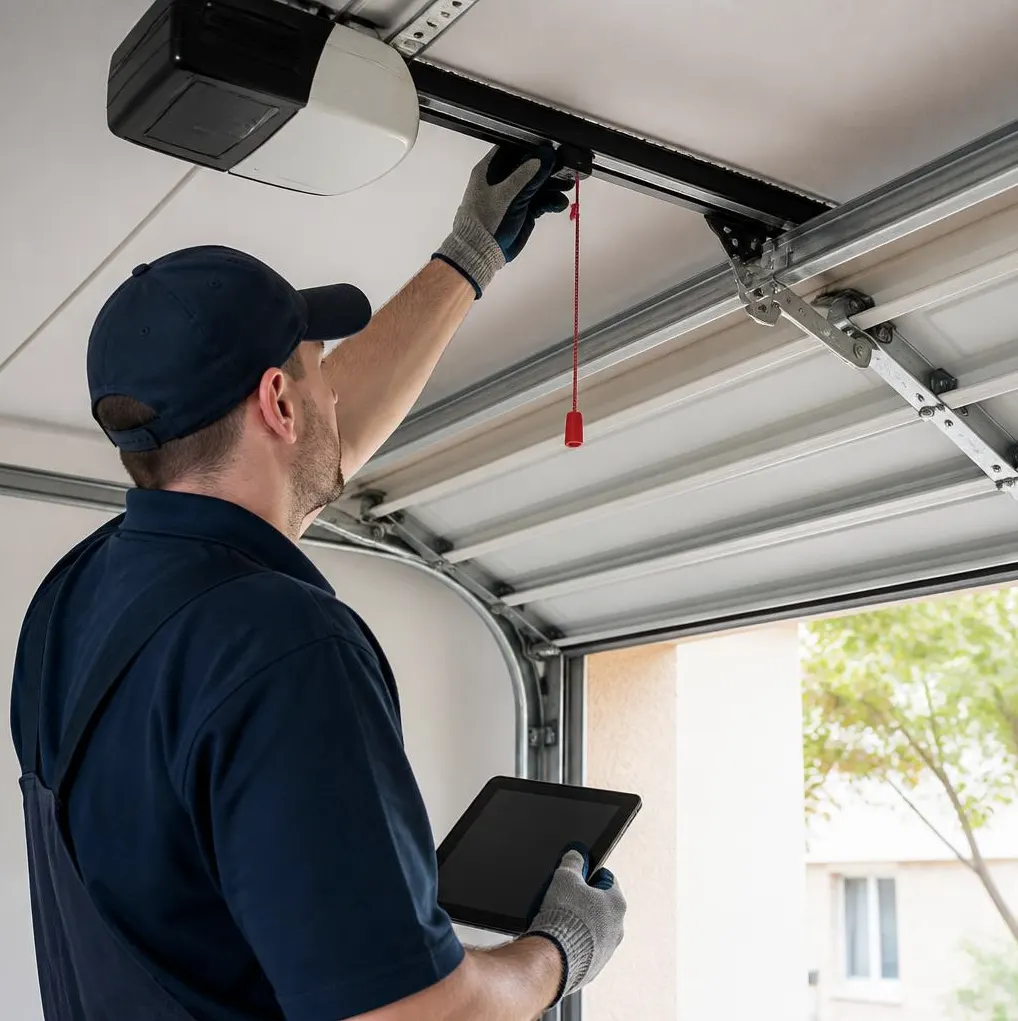
If you've swapped batteries, checked the sensors, and the opener still won't respond consistently, it's time to bring in a technician rather than keep guessing. We'll run the same diagnostic order above with the right testing equipment, pinpoint whether it's wiring, sensors, or a failing board, and give you a straight answer on repair versus replacement. For openers nearing the end of their lifespan, our Garage Door Opener Installation service gets you a unit built for Florida's humidity and storm season, and our Garage Door Maintenance & Tune-Up catches small wiring and sensor issues before they turn into a dead opener at the worst possible time.
Don't wait for storm season to find out your opener doesn't work. Call Howey-in-the-Hills Garage Door Pro today and get it diagnosed right the first time.